

Music
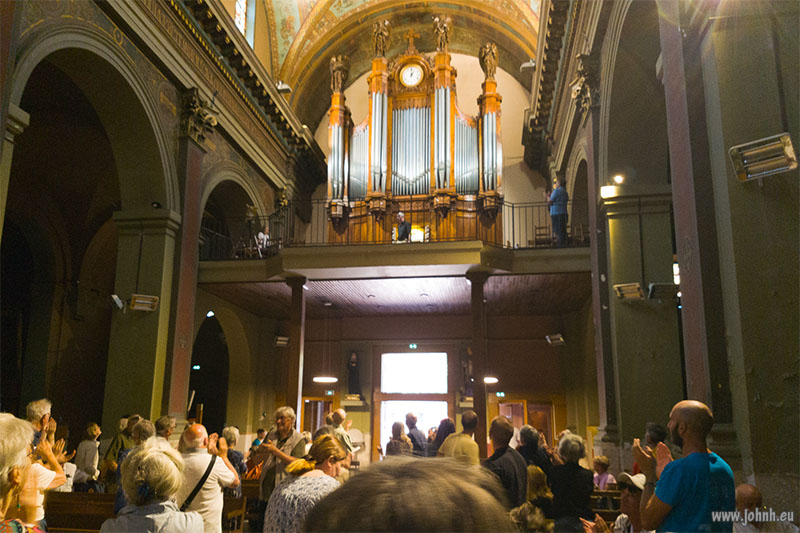
Standing ovation for Patrick Geel’s dynamic performance of the Bach Toccata & Fugue in D minor BWV 565
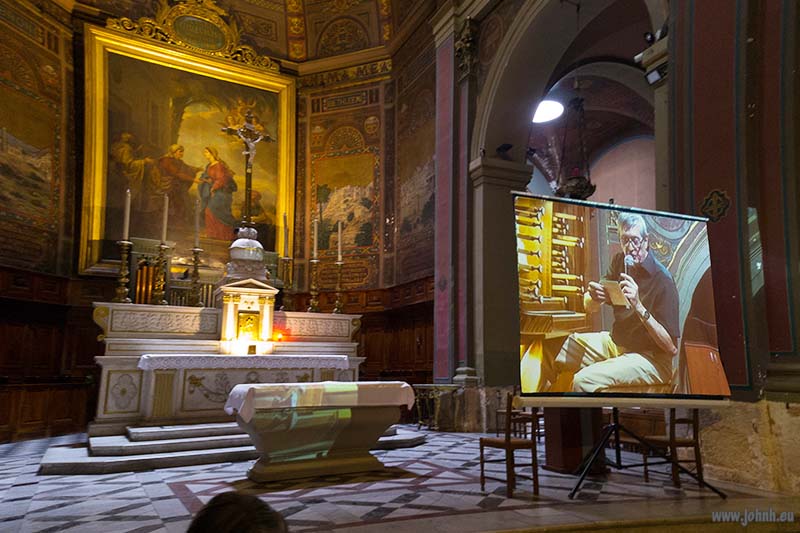
AUDITIONS DU MARCHÉ 2025-2026
Grand Orgue de Notre-Dame du Mont, Marseille
Standing ovations for Patrick Geel at the end of his performance of JS Bach’s D minor Toccata and Fugue, then again after Widor’s well-known Toccata from his Fifth organ symphony, the final piece in his programme at the Grand Orgue de Notre-Dame du Mont, Marseille; the organ was built (1847-49) by Pierre-Alexandre Ducroquet.
Read more: Patrick Geel at the organ of Notre-Dame du Mont, Marseille
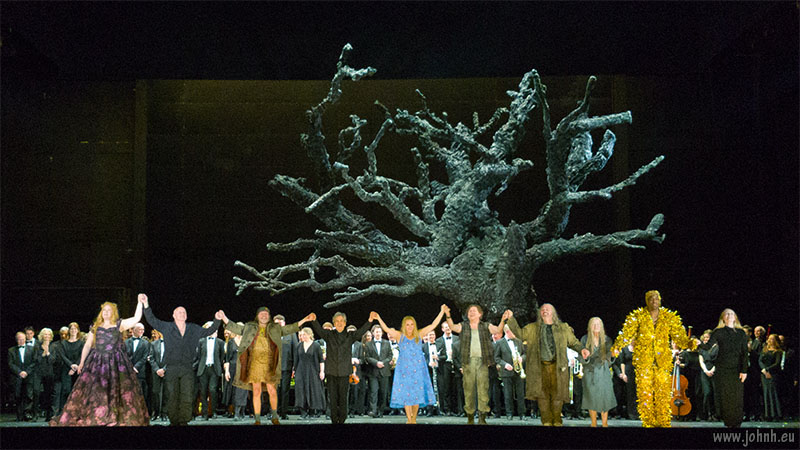
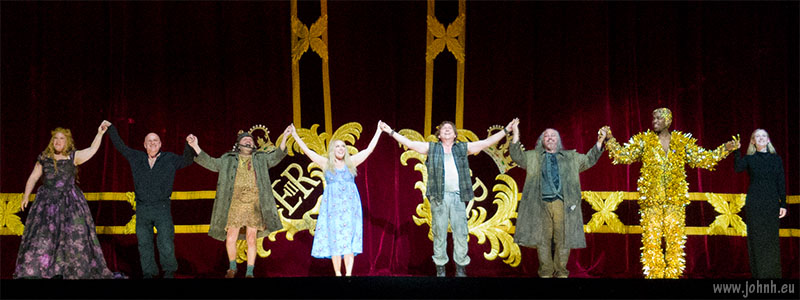
Tonight’s First Night of Siegfried had to be one of the most fantastic staging and singing ever of Siegfried’s forging song. Andreas Schager’s characterisation of the wild boy Siegfried smelting and forging using machines that look Heath-Robinson but appear convincing in their metalworking functions was utterly compelling. He gave us muscular singing, sparks from the anvil, juggling with forging hammers and joyous characterisation with the vitality of the youth who knows no fear. One of the great Siegfrieds and a highlight of the whole cycle.
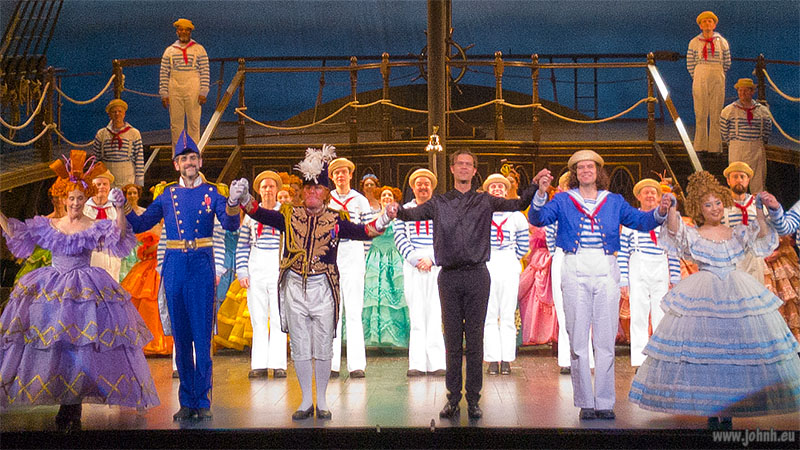
Mel Giedroyc, John Savournin, Neal Davies, Matthew Kofi Waldren, Thomas Atkins, Henna Mun
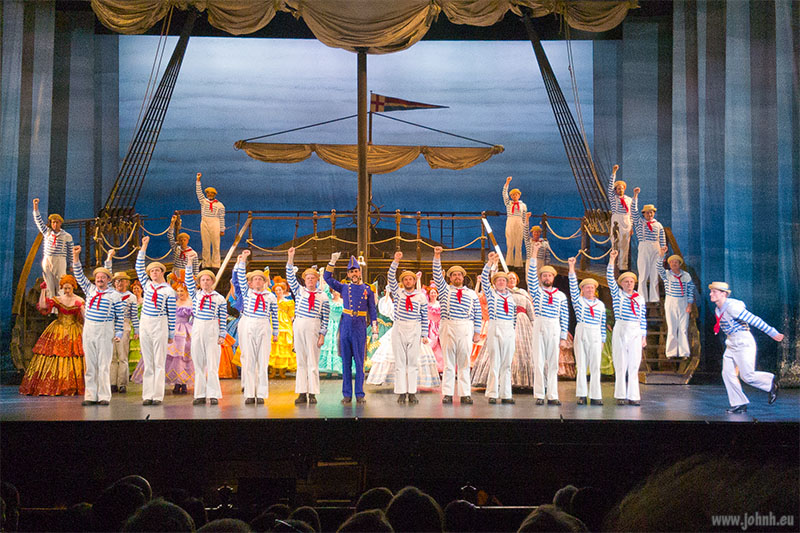
H.M.S. Pinafore; or, The Lass That Loved a Sailor,
Comic opera in two acts, music by Arthur Sullivan, libretto by W. S. Gilbert.
The Mikado was the first opera I ever saw performed live, this was a school production where the thrill was as much seeing our teachers let their hair down as the music or the script. Possibly that’s as much the authentic tradition of Gilbert and Sullivan’s Savoy operas as a polished London production. Whether that first experience encouraged or quelled my interest in opera is impossible to say but tonight’s English National Opera revival of HMS Pinafore at the London Coliseum was top-notch in terms of music, staging and costumes. The ENO chorus were exceptional with their ensemble and choreography, including an acrobatics specialist.
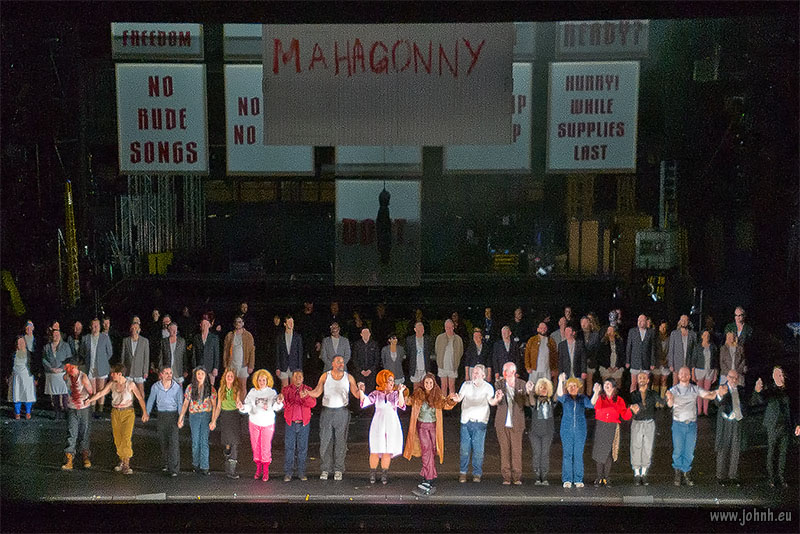
Brilliant new production in English by ENO at the London Coliseum of The Rise and Fall of The City of Mahagonny. Brecht tackles the big themes: food, sex, fights and whiskey: so basically decadence. Weil’s music fortifies this, both in songs and underpinning dialogue and speeches. The Coliseum is one of London’s largest stages but the austere staging and lighting managed to convey the aesthetic of an intimate production, as in the early Berlin performances at the Kroll theatre.
The Rise and Fall of The City of Mahagonny is an opera that is still difficult to take in because of its overt political commentary, much of which seems simplistic and now dated. The first night of Mahagonny in Berlin in 1930 was besieged by protesters, not the only opera in history to trigger riots but these were Nazis and eventually they destroyed almost all of copies of Mahagonny when the publishers were raided then burnt out.
Read more: The Rise and Fall of The City of Mahagonny - ENO at the London Coliseum
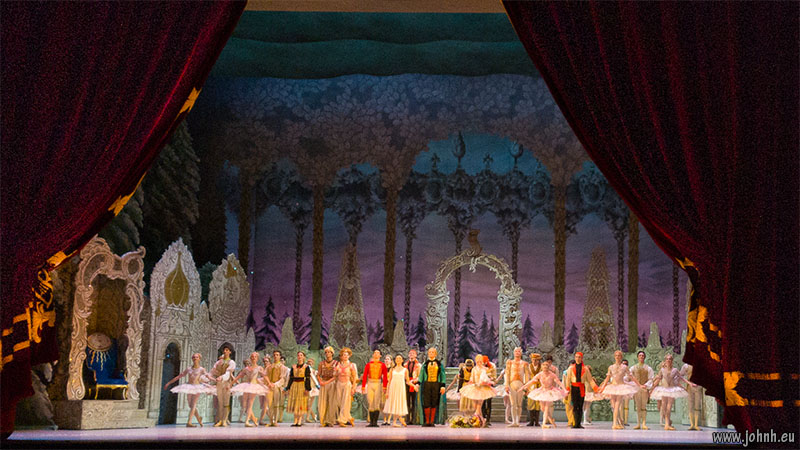
The Nutcracker magic starts with the first notes of Tchaikovsky’s music taking us in to the world of the supernatural. This production is about the dance, the costumes and the tunes. Of course there’s the story but it’s almost impossible to follow. And within the world of the Nutcracker, it’s magnificent. But in 1913, just twenty-one years after the first performance of The Nutcracker in 1892, The Rite of Spring erupted in to the world of ballet and nothing would be the same again.
Classic Royal Ballet production this, now the definitive British interpretation. It was the most complete London production when it first appeared in 1984, when it displaced Nureyev’s 1968 version. As expected, this revival was light and beautiful, sprinkled lightly with magic dust with little of the dark undercurrents and menace brought out in contemporary dance productions.
Read more: The Nutcracker - Royal Ballet, Covent Garden 2025
